
An AI Agent on a Wholesale Sales Desk: First Reply in 15 Minutes, Not 4 Hours
In wholesale, the first credible answer usually wins the order. A trading company cut its first reply from four hours to fifteen minutes with an AI agent in front of inbound enquiries. What it took, what the agent should never do, and how to tell if your desk is a fit.

A buyer sends the same enquiry to three suppliers. The one who answers first with a real price and a real lead time usually gets the order. The other two get a polite "already sorted, thanks" a day later, if they hear back at all.
Carni Trade Impex, a wholesale trading company, knew this and still lost that race. Their sales process lived in email, WhatsApp and spreadsheets. Nobody could say which deals were moving, and an inbound enquiry waited hours for its first reply.
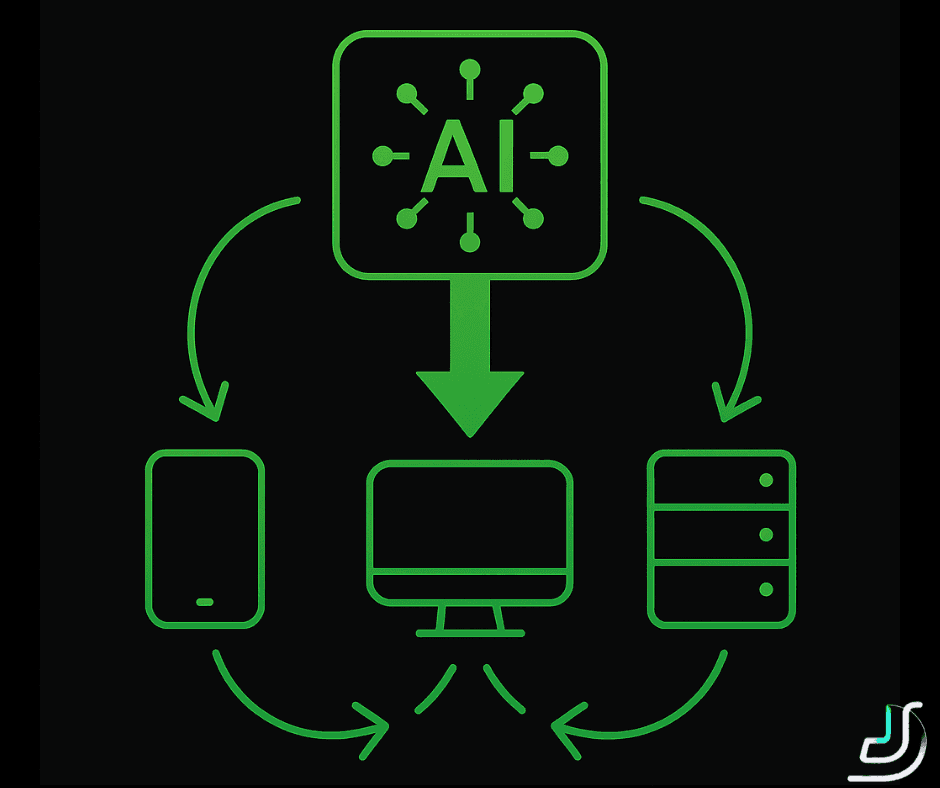
Between December 2025 and May 2026 we built them a CRM with an AI agent in front of inbound enquiries. Their own numbers, from their verified review on Clutch:
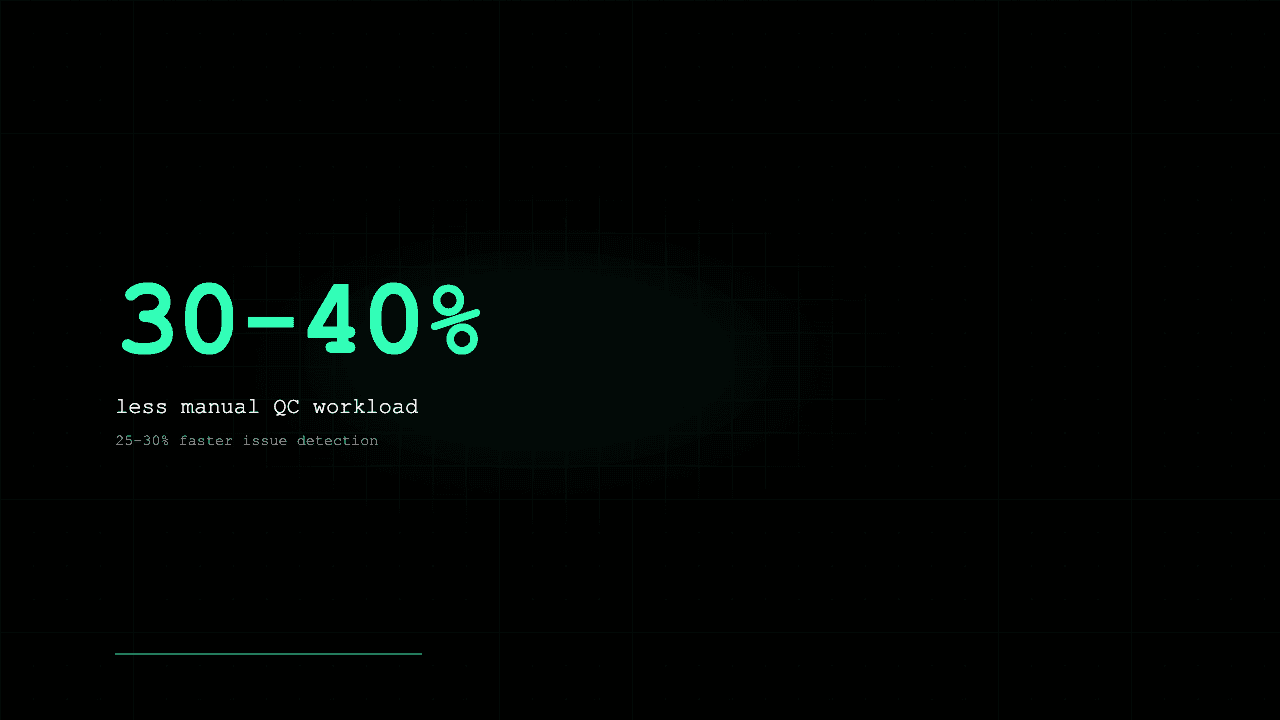
- First reply to an enquiry: 4 hours → 15 minutes.
- About 60% of inbound enquiries handled by the agent.
- 12 stalled deals revived in two months.
This piece covers the order we did it in, where the line sits between the agent and the sales team, and how to tell whether your own desk is a fit.
Step 1: one pipeline before any agent
The work started with the least exciting part: putting every deal in one place. An agent cannot answer a customer whose history sits in someone's WhatsApp, and it cannot follow up on a deal nobody can see.
So we built the CRM around how they actually sell, not around a vendor template, with one pipeline where each deal carries its customer, its product and its stage. This step alone usually shows a team things it did not know: how many enquiries arrive a day, how many never got a reply, how long the good customers wait.
If you skip this step and put a chatbot on the website, you get a fast reply to the five percent of buyers who use the website, and the same slow desk for everyone else.
Step 2: split routine from judgement
The agent answers the routine enquiries, qualifies new leads and routes the rest to a person with a summary. Deciding what counts as routine is the real design work, and it differs per company. The split we start from on a trading desk:
The agent answers:
- availability and lead times, read from live data, never from memory;
- specifications, documents and certificates the company already publishes;
- the status of an existing order;
- first qualification of a new buyer: what, how much, by when, where to.
A person answers:
- any price outside the published list, and any credit terms;
- complaints and disputes;
- large or unusual orders;
- anything the agent is not sure about.
The last line matters most. An agent that says "a colleague will confirm this within the hour" keeps the customer. An agent that guesses a delivery date loses the customer and the salesperson's trust in the system, which is harder to win back.
At Carni the agent ended up handling about 60% of inbound enquiries. The rest went to a person already qualified and routed, instead of waiting in a shared inbox.
Step 3: follow-ups that do not depend on memory
A deal goes quiet in wholesale for an ordinary reason: someone meant to follow up and the week got busy. Once every deal sits in one pipeline, follow-up sequences can run on their own: a reminder to the buyer, a nudge to the salesperson, a flag when a deal has been silent too long.
That is the mechanism behind the 12 revived deals. None of them needed a new customer. They needed somebody to write back.
What to measure, before and after
Measure the desk before the agent goes live, or you will argue about the result later. Four numbers cover most of it:
- Time to first reply, from the moment an enquiry arrives, per channel.
- Share of enquiries closed without a person, and the share escalated.
- Wrong answers caught by the team. Sample the agent's replies every week and count the ones a salesperson would have answered differently. This number keeps the system honest.
- Deals revived from silence by the follow-up sequences.
The third number is the one most teams skip. We wrote about why in Evaluating AI agents that take actions: an agent that sends something to a customer has to be scored on what it sent, not on how fluent it sounded.
Where it goes wrong
- Stale data. An agent that reads yesterday's stock file promises goods that left this morning. It reads live data or it says it will check.
- Prices in the wrong hands. Discounts and terms stay with people. The agent can quote the list price and stop there.
- No owner for escalations. If nobody picks up what the agent routes, you have built a faster way to ignore customers.
- Skipping the pipeline. Step 1 is the unglamorous half of the result, not a detour.
Is your desk a fit?
It usually is when three things hold: enquiries arrive every day, a large share of them repeat the same few questions, and the answers live in data a system can read. If enquiries are rare and every one is a negotiation, an agent adds little, and a better CRM alone may be the right call.
If you want this measured on your own desk, the AI Operations Audit does it in ten days for a fixed $4,900: we time the desk, test on a sample of your real enquiries, and price what an agent would save. The fee comes off the build if you go ahead, and comes back if we find nothing worth building.
Talk to the team behind this
Building something like this in production?
Our senior engineers ship this kind of work for real teams. 45-minute call, no pitch deck — just architecture, trade-offs, and whether we're the right fit for your problem.