
Human pose estimation: production patterns and implementation
Where human pose estimation is genuinely shipping in production today — five use cases with reference deployments, the technical approaches that work, and the privacy considerations.
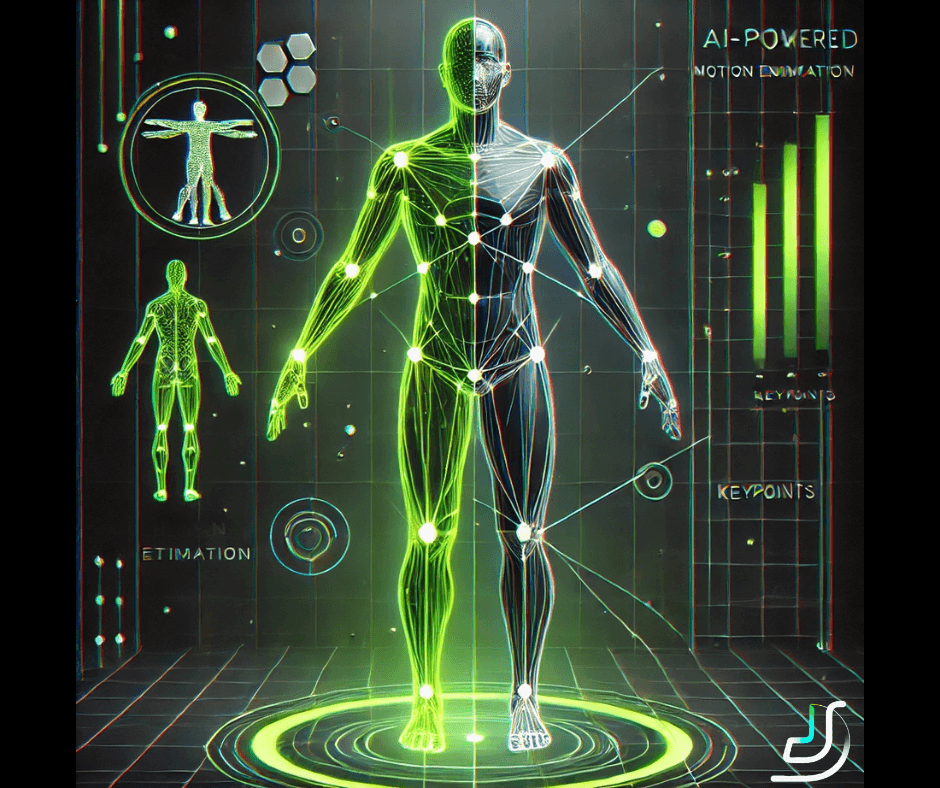
Human pose estimation (HPE) — detecting and tracking the position of human body keypoints in images and video — has matured from research curiosity into production infrastructure for fitness applications, healthcare rehabilitation, sports analytics, manufacturing safety, and gesture-based interfaces. Modern HPE achieves real-time performance on consumer devices while delivering accuracy useful for medical-grade applications.
This article maps where HPE is genuinely shipping today — five production use cases with reference deployments, the technical approaches that work, and the privacy considerations. For broader CV framing, see computer vision applications across industries and edge AI.
What human pose estimation does
HPE detects and tracks human body keypoints — joint positions, body orientation, motion patterns — from images and video. Modern approaches:
- 2D pose estimation — keypoints in image plane, suitable for most consumer applications
- 3D pose estimation — full spatial reconstruction, needed for medical and biomechanics applications
- Multi-person tracking — pose estimation across multiple subjects in same scene
- Action recognition — interpreting pose sequences as activities or behaviors
Foundation: deep learning models (HRNet, OpenPose, MediaPipe, Apple's Vision framework) provide production-ready capability without custom training for most use cases.
Five production use cases
1. Fitness and wellness applications
HPE provides real-time form analysis, rep counting, exercise recommendations. Powers AI-augmented fitness mirrors, mobile fitness coaching apps, virtual personal trainers.
JustSoftLab portfolio reference: AI-powered fitness mirror with personal trainer (covered in our edge AI article). Computer vision tracks user form in real time, counts reps, provides personalized coaching.
Production patterns: edge inference for low-latency feedback (sub-100ms), cloud sync for progress tracking, privacy-first architecture for body data.
2. Healthcare rehabilitation and physical therapy
HPE-based tools allow physical therapists to assess range of motion, track recovery progress, ensure proper form during home exercises.
Reference deployments: Sword Health's musculoskeletal care platform, Reflexion Health's tele-rehabilitation, Hinge Health's MSK programs.
Production patterns: clinician-prescribed exercise programs + patient-side mobile/tablet inference + outcome tracking integrated with healthcare provider systems.
3. Sports analytics
HPE powers automated player tracking, performance analytics, biomechanics analysis for professional and amateur sports.
Reference deployments: Hawk-Eye for officiating, Catapult Sports for athlete performance, Stats Perform for broadcast analytics.
Production patterns: multi-camera setups with calibration + 3D pose reconstruction + analytics platform for coaches and players.
4. Manufacturing and worker safety
HPE monitors factory workers for ergonomic risk, PPE compliance, unsafe behavior, restricted-zone violations.
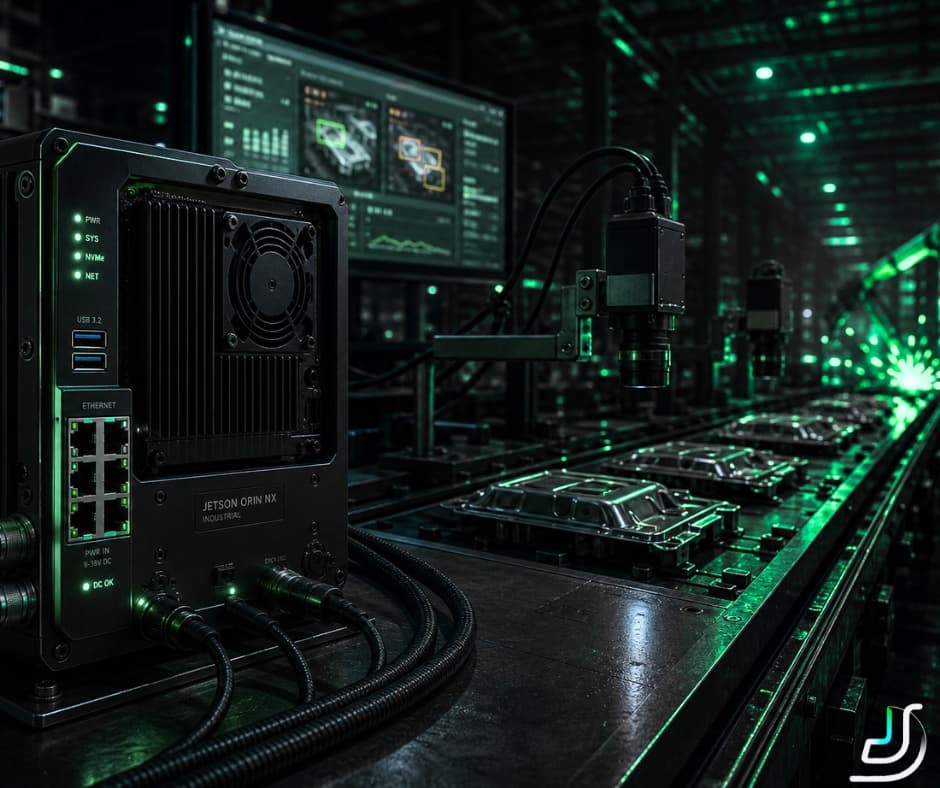
Production patterns: factory floor cameras + edge AI for real-time analysis + alerting for safety officer + compliance documentation.
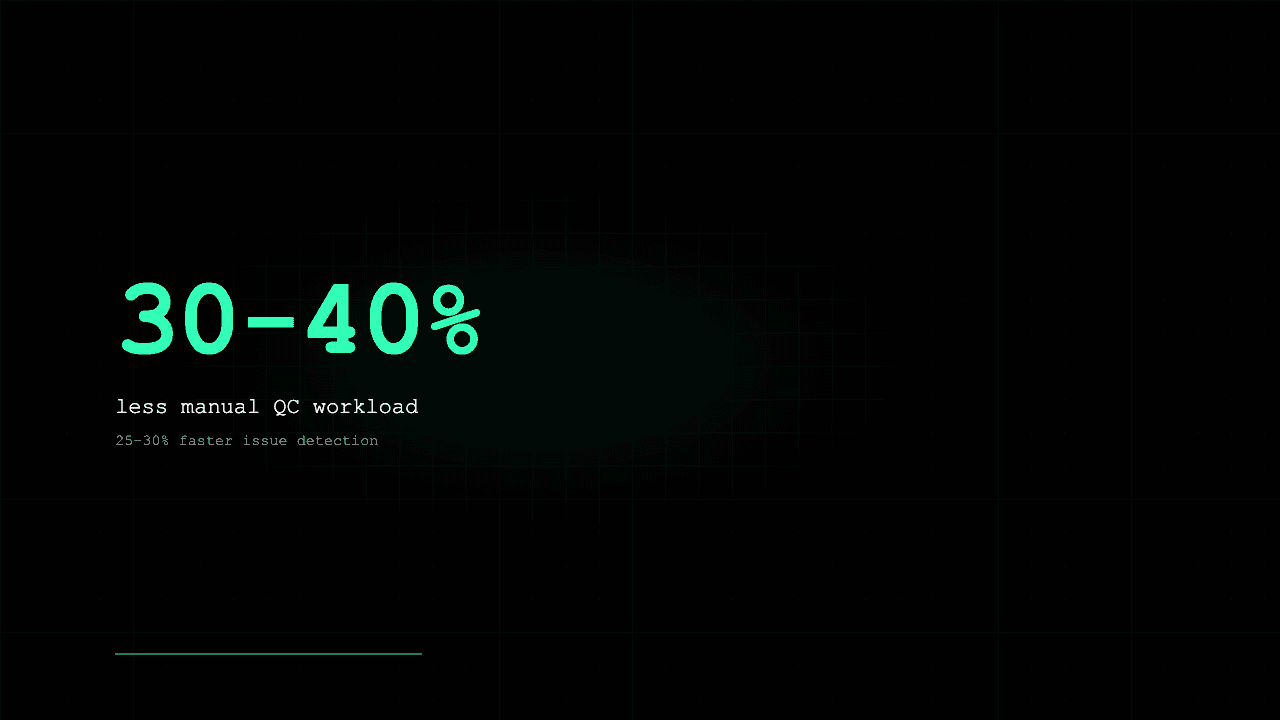
Impact: reduced workplace injuries, improved compliance, more efficient safety supervision.
5. Retail and customer experience
Anonymous pose tracking for customer journey analytics, queue management, dwell-time analysis without identifying individual customers.
Production patterns: privacy-preserving pose tracking (no facial recognition) + analytics dashboards + integration with retail operations platforms.
Technical approaches
2D vs 3D pose estimation
2D pose estimation — keypoints in image plane. Sufficient for most consumer applications. Works on single-camera setups. Production-ready libraries (MediaPipe, MoveNet) provide consumer-grade accuracy.
3D pose estimation — full spatial reconstruction. Needed for biomechanics, medical applications, AR/VR experiences. Often requires multi-camera setup or depth sensors. More computational overhead.
Top-down vs bottom-up approaches
Top-down: detect persons first, then estimate pose for each. Accurate, common in single-person scenarios. Examples: HRNet, AlphaPose.
Bottom-up: detect keypoints first, then group into persons. Faster for multi-person scenes, sometimes less accurate. Examples: OpenPose.
Edge vs cloud inference
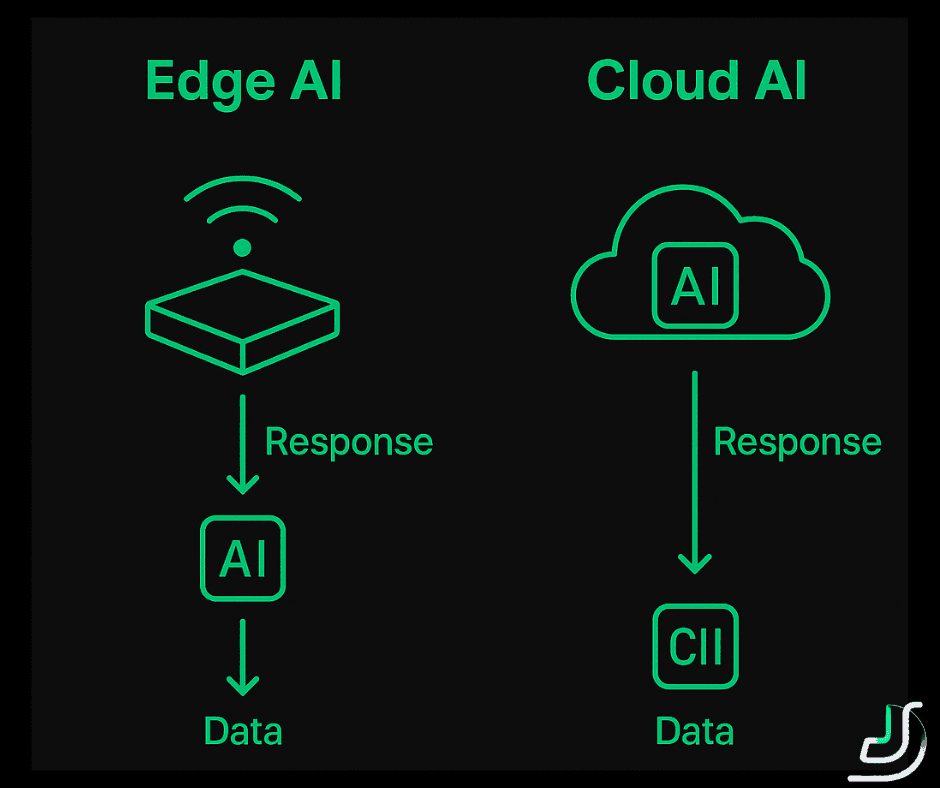
Edge: real-time feedback for fitness, AR, gaming. Sub-100ms latency. Modern mobile devices and embedded systems handle this natively.
Cloud: complex multi-person scenes, deeper analysis, multi-camera reconstruction. Higher accuracy at cost of latency.
For most production applications, edge inference is the right architecture. See our edge AI article for deeper treatment.
Privacy considerations
HPE processes human body data — privacy implications matter:
- Anonymization — pose estimation without identity. Most production HPE deployments don't require facial recognition; designing them this way maintains privacy.
- On-device processing — body data stays on user's device, only aggregated metrics shared.
- Consent and disclosure — users should know when HPE is being used and what data is collected.
- Sector-specific regulations — healthcare HPE under HIPAA, EU deployments under GDPR, biometric-data laws (BIPA in Illinois).
For deeper treatment of facial recognition specifically (which has stricter privacy requirements), see our facial recognition article.
Implementation tools
Open-source libraries:
- MediaPipe (Google) — production-ready, mobile-optimized
- MoveNet (Google) — TensorFlow.js-compatible
- OpenPose — original multi-person pose estimation
- AlphaPose — accurate multi-person estimation
- HRNet — high-resolution pose models
Commercial platforms:
- Apple Vision framework (iOS-native)
- Microsoft Azure Custom Vision
- AWS Rekognition (limited HPE support)
Specialized solutions:
- Sword Health, Hinge Health for healthcare-specific
- Catapult Sports for athletic performance
- Wrnch (now part of Hinge) for biomechanics
For most production deployments, MediaPipe provides the right balance of accuracy, performance, and developer ergonomics. Custom training only when domain accuracy demands it.
Three deployment scenarios
Mobile fitness app: MediaPipe + custom application logic + cloud sync. $40K-$120K initial + minimal ongoing.
Healthcare rehabilitation platform: HPE + healthcare integration + HIPAA compliance + clinical reporting. $200K-$600K initial + $150K-$350K/year.
Enterprise sports analytics: Multi-camera 3D reconstruction + custom analytics platform + integration with existing systems. $500K-$1.5M initial + $300K-$700K/year.
Final framing
HPE is mature, deployable, and shipping at scale across fitness, healthcare, sports, and manufacturing. The teams that succeed deploy it with privacy-first architecture, appropriate inference location (edge vs cloud), and integration with downstream business systems.
The technology is mature; the discipline required is straightforward. Match deployment to actual use case requirements.
Ready to scope a pose estimation project? Run the Project Estimator for a deterministic ballpark, or book a 45-minute Discovery with our computer vision engineers — we'll review your application requirements, accuracy needs, and privacy considerations.
Talk to the team behind this
Building something like this in production?
Our senior engineers ship this kind of work for real teams. 45-minute call, no pitch deck — just architecture, trade-offs, and whether we're the right fit for your problem.